Introduction
Understanding various interior design styles is crucial in creating a cohesive and appealing space. Whether you’re renovating your entire home or simply redecorating a room, knowing the characteristics of each style will guide your choices in furniture, color schemes, and decor. This guide explores some of the most popular interior design styles, highlighting their key elements to help you find the one that best suits your taste and needs.
Modern Style
Clean Lines and Minimalism
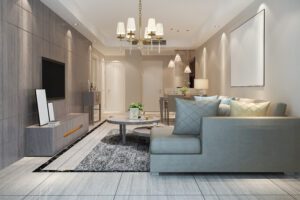
Modern design is characterized by clean lines, minimalistic decor, and a neutral color palette. It emphasizes simplicity and functionality, often incorporating materials such as metal, glass, and steel. Furniture in a modern style is sleek and streamlined, avoiding excessive ornamentation.
Open Spaces
Modern interiors often feature open floor plans, maximizing natural light and creating a sense of spaciousness. Large windows and uncluttered spaces are common, promoting an airy and open feel.
Contemporary Style
Fluid and Evolving
Contemporary design is ever-evolving, reflecting current trends and innovations. Unlike modern design, which has a specific time frame, contemporary style is more fluid and dynamic, incorporating the latest design elements and materials.
Bold Statements
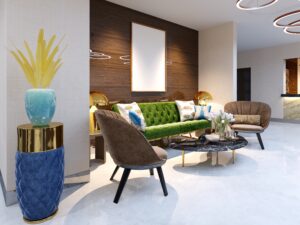
This style often includes bold colors, striking contrasts, and unique shapes. It’s not uncommon to find a mix of textures and materials, creating visually engaging spaces that are both comfortable and stylish.
Scandinavian Style
Functionality and Simplicity
Scandinavian design emphasizes functionality, simplicity, and comfort. It often features a light, neutral color palette with occasional pops of color. Natural materials such as wood and leather are prevalent, adding warmth and texture to the space.
Hygge and Cozy Atmosphere
A key element of Scandinavian style is the concept of “hygge,” which focuses on creating a cozy, inviting atmosphere. This is achieved through the use of soft textiles, warm lighting, and minimalist decor that promotes a sense of well-being and comfort.
Industrial Style
Raw and Unfinished Aesthetics
Industrial design draws inspiration from warehouses and factories, featuring raw and unfinished elements. Exposed brick walls, concrete floors, and metal fixtures are hallmarks of this style. It celebrates the beauty of raw materials and structural elements.
Functional and Utilitarian
Furniture and decor in industrial spaces are often functional and utilitarian, with a focus on practicality. Vintage and repurposed items are commonly used, adding character and history to the space.
Bohemian Style
Eclectic and Free-Spirited
Bohemian design is eclectic and free-spirited, incorporating a mix of colors, patterns, and textures. It reflects a love for art and culture, often featuring items collected from various travels and experiences.
Layered Textiles and Decor
This style embraces layered textiles, such as rugs, throws, and pillows, creating a cozy and inviting space. Decor is typically abundant and varied, with an emphasis on personal expression and individuality.
Traditional Style
Classic and Timeless
Traditional design is rooted in classic European styles, featuring elegant and timeless elements. Rich wood furniture, ornate details, and luxurious fabrics are common, creating a sense of sophistication and comfort.
Symmetry and Order
Traditional interiors often emphasize symmetry and order, with balanced layouts and coordinated decor. This creates a harmonious and cohesive look that exudes warmth and elegance.
Mid-Century Modern Style
Retro and Functional
Mid-century modern design is characterized by clean lines, organic shapes, and functional furniture. This style emerged in the mid-20th century and remains popular for its timeless appeal and innovative use of materials.
Integration with Nature
Mid-century modern interiors often incorporate natural elements, such as large windows that connect the indoor space with the outdoors. Wood, leather, and natural fibers are commonly used, enhancing the connection with nature.
Conclusion
Finding your interior design aesthetic involves exploring different styles and identifying what resonates with you. Whether you prefer the clean lines of modern design, the cozy atmosphere of Scandinavian style, or the eclectic mix of bohemian decor, understanding the key elements of each style will help you create a space that reflects your personality and lifestyle. By blending elements from various styles, you can craft a unique and personalized environment that feels truly like home.